Table of contents
Fire safety remains a priority in every setting, from homes to workplaces, and understanding preventive strategies can make a life-saving difference. Seasoned firefighting professionals have witnessed the devastating consequences of neglecting safety protocols, yet they also know which measures are most effective in preventing disasters. This article gathers their indispensable advice, guiding readers through proven methods and professional insights to significantly reduce fire risks. Delve into the following paragraphs to discover actionable tips that can safeguard lives and property.
Recognizing Early Warning Signs
Detecting the initial indicators of a fire—such as unfamiliar burning odors, visible smoke, or unexpected increases in temperature—can be lifesaving. Early detection during the incipient stage is key to fire safety, as most fires can be managed or extinguished before escalating into uncontrollable hazards. In both residential and commercial spaces, maintaining heightened awareness of potential warning signs is an effective way to support fire prevention. Signs like flickering lights, discolored electrical outlets, or a persistent smell of overheating wires should immediately prompt further inspection. Prompt action, such as alerting others, activating fire alarms, and contacting emergency services, greatly increases the chance of containing the situation safely.
According to fire chiefs with decades of experience, vigilance and education play a vital role in reducing fire hazards. Regularly checking smoke detectors and ensuring clear escape routes can make a significant difference in emergency outcomes. The fire chief advises never to ignore subtle cues; even minor anomalies may indicate a developing fire threat. Individuals should familiarize themselves with emergency protocols, conduct routine safety checks, and create a family or workplace plan outlining specific steps to take if warning signs of fire are detected. Staying alert and responding quickly during the incipient stage contributes directly to safer environments and more effective fire prevention.
Proper Use Of Fire Extinguishers
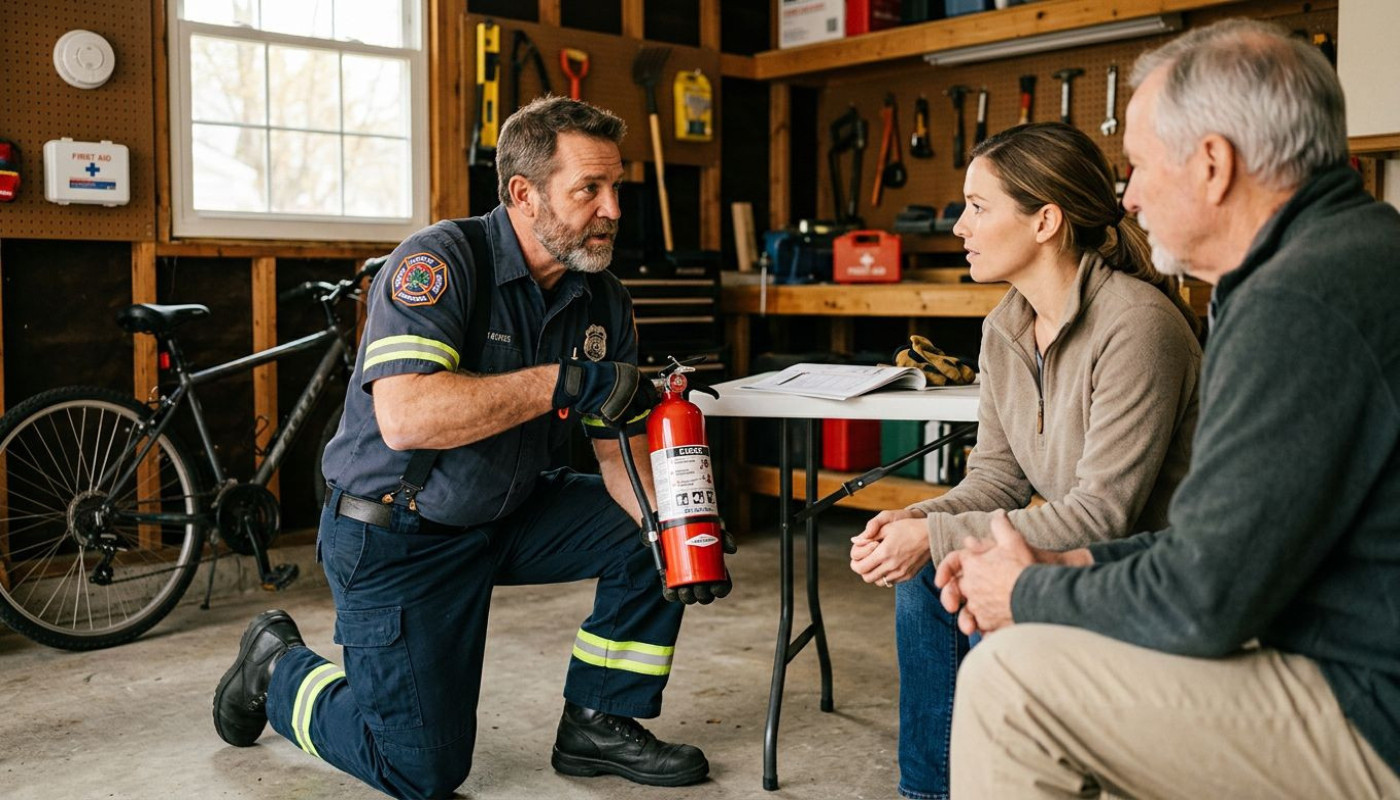
When faced with a fire emergency, understanding the correct method for operating a fire extinguisher is vital for maximizing fire suppression efforts. Professionals in the field recommend the PASS technique: Pull the safety pin to unlock the handle, Aim the nozzle at the base of the flames, Squeeze the handle to discharge the extinguishing agent, and Sweep the nozzle in a side-to-side motion to cover the affected area. This approach enhances the efficiency of the fire safety equipment and reduces the risk of rekindling.
Fire extinguishers come in several types, each designed to combat specific fire classes. Water-based extinguishers are used for Class A fires (ordinary combustibles), while carbon dioxide extinguishers are suitable for Class B (flammable liquids) and electrical fires. Dry chemical extinguishers are versatile, addressing Class A, B, and C fires. For specialized environments, such as kitchens or industrial settings, foam and wet chemical extinguishers offer advanced fire suppression tailored to oil and grease-related incidents. Using the right extinguisher type is fundamental for effective fire emergency management and minimizing property damage or personal risk.
Regular training sessions, led by a qualified lead fire instructor, are indispensable for maintaining readiness and ensuring all team members are confident with fire safety equipment. Instructed drills based on real-world experience help reinforce the PASS technique and clarify the characteristics and limitations of each fire extinguisher. Maintenance checks, including pressure gauge inspections and tamper seal verification, should be conducted routinely to guarantee operational reliability. Field-tested guidance from seasoned professionals ensures that every action taken during a fire emergency is both safe and effective, supporting successful fire suppression outcomes.
Safe Evacuation Procedures
When a fire breaks out, following well-planned evacuation procedures can drastically reduce confusion and ensure the swift, safe exit of all occupants. Begin by establishing a comprehensive fire escape plan that details primary and secondary egress points, making it clear how to navigate evacuation routes in various scenarios. Regular fire drills are key to familiarizing everyone with these procedures, minimizing panic during real emergencies and helping identify potential obstacles or bottlenecks. To enhance building safety, it's recommended to designate and clearly mark safe assembly points outside where occupants can be accounted for, away from potential hazards. The fire marshal should oversee the creation and enforcement of these protocols, adhering to industry-standard best practices such as maintaining unobstructed egress paths, ensuring all exits are well-lit and accessible, and regularly updating evacuation routes as building layouts change.
Utilizing a multi-faceted approach to emergency evacuation not only safeguards lives but also reinforces the importance of readiness within any environment. Engaging in consistent training and reviewing protocols ensures that all individuals understand their roles and responsibilities, which is a hallmark of effective building safety management. For instance, organizations like UK casinos not on Gamstop often collaborate with fire safety professionals to conduct tailored fire drills and establish reliable egress strategies, demonstrating a strong commitment to safety regulations and emergency preparedness. This proactive stance serves as an excellent model for other venues prioritizing comprehensive fire safety measures.
Common Household Fire Hazards
Among the most widespread household fire hazards, unattended cooking remains the leading cause of residential fires. Grease fires can ignite in seconds if stovetops or ovens are left alone, making kitchen fire prevention vital. In addition, faulty wiring and overloaded outlets pose significant electrical safety threats, as aging electrical systems and improper use of extension cords can spark hidden blazes. The use of space heaters near combustible materials, such as curtains or upholstered furniture, also elevates home fire risk. Regular inspections by a licensed electrician and the proper placement and maintenance of smoke alarms serve as foundational fire safety tips. To minimize danger, a veteran fire inspector recommends never leaving the kitchen while cooking, arranging for periodic electrical system assessments, and ensuring that portable heaters are always kept at least three feet from anything that can burn. Adopting these preventative strategies creates a safer living environment and significantly reduces the likelihood of home fires caused by common hazards.
Maintaining Fire Alarms And Detectors
Every home relies on an effective early warning system to maximize protection against fire hazards, making smoke alarm maintenance and carbon monoxide detector upkeep a top priority. Home safety devices, such as smoke alarms and carbon monoxide detectors, should be installed on every level of a residence, particularly near bedrooms and in hallways, to ensure comprehensive coverage. Placement plays a significant role in the performance of a fire detection system; avoid installing detectors near vents, windows, or fans, as airflow can impair sensor function. Fire alarm testing must occur monthly, using the built-in test button to confirm that alarms are operational. Battery replacement is best handled at least once a year—many choose to coincide this task with daylight saving time changes—while units powered by ten-year sealed batteries should be entirely replaced after the indicated term. Fire safety technicians advise checking each device for dust and debris buildup, and recommend a full replacement of smoke alarms and carbon monoxide detectors every ten years to guarantee reliability and compliance with updated safety standards.
Similar